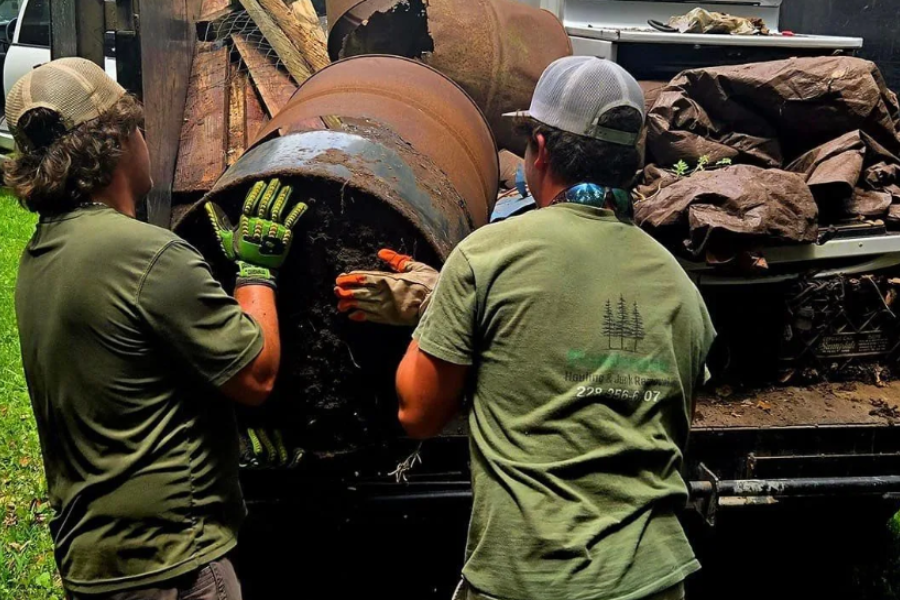
Junk Removal and Demolition in Ocean Springs: What Ponderosa Hauling Actually Handles
Anyone who has lived on the Mississippi Gulf Coast for more than a hurricane season or two knows how fast a garage fills up. A storm blows through, a fence comes down, somebody’s grandmother’s furniture ends up in the carport “just for now,” and three years later that carport is a maze. Ponderosa Hauling, based right in Ocean Springs, spends its days untangling exactly that kind of mess — and, when the job calls for it, taking a structure down to the slab.
The company splits its work into two lanes that overlap more than people expect: junk removal and demolition. Junk removal covers the stuff that’s easy to picture — old couches, broken appliances, yard debris, construction leftovers, the contents of a shed nobody’s opened since the Obama administration. Demolition covers the heavier end: tearing out a rotted deck, taking down a storm-damaged carport, gutting a flooded interior, or clearing a lot before new construction starts. A lot of the calls that come in as “just get rid of some junk” turn into a small demo job once someone actually walks the property, and Ponderosa treats that as normal rather than an upsell.
Why local knowledge matters more than people assume
Ocean Springs isn’t a generic Southern town, and hauling work here isn’t generic either. The historic district downtown has narrow streets and older homes with crawl spaces instead of slabs, which changes how debris gets pulled out and where a truck can even park. Closer to the water, houses raised on pilings after past storms mean junk often has to come down a staircase before it ever reaches a truck bed. And because the coast sits in an active hurricane corridor, a big share of the calls Ponderosa gets aren’t routine spring cleaning — they’re storm cleanup, sometimes with mold, sometimes with a downed tree still resting on a shed roof. A crew that hasn’t worked this specific stretch of the Gulf Coast can underestimate all of that.
Humidity is its own factor. Anything left outside for a season down here doesn’t just get dusty, it gets waterlogged, moldy, or nested in by wildlife. That changes disposal decisions. A damp mattress or a mold-soft dresser can’t go to a donation center even if it looks salvageable in a photo, so part of the job is sorting quickly and correctly on-site rather than hauling everything to one dumping ground and figuring it out later.
What a typical junk removal job looks like
Most jobs start with a phone call or a quick photo sent over text — a stack of drywall from a bathroom remodel, an old refrigerator on the curb, a garage nobody’s parked a car in for a decade. From there it’s usually same-week service, sometimes same-day depending on the schedule. The crew does the lifting and loading, which matters for anyone dealing with a heavy old washer or a piece of furniture that takes three people to move. Pricing is generally based on how much space the load takes up in the truck rather than a flat per-item fee, so a single armoire costs less than a garage-clearing job, which is the way most people expect it to work anyway.
Where things go afterward is worth asking about. Reputable junk haulers don’t send everything straight to a landfill — metal gets scrapped, usable furniture and appliances get donated when they’re in decent shape, and yard waste often gets separated for mulching or composting rather than buried. It’s not glamorous, but it’s the difference between a hauling company and a dump truck with a phone number.
Where demolition fits in
Small-scale demolition is where a lot of coastal properties actually need help, and it’s often less dramatic than the word suggests. Think: pulling out a rotted wood deck before it becomes a liability, removing a carport that didn’t survive the last storm, tearing down an old shed that’s more termite than wood at this point, or stripping drywall and flooring out of a flooded room so it can dry out and get rebuilt. None of that requires a wrecking ball. It requires careful hand demolition, proper debris hauling, and someone who knows how to shut off the right utilities before swinging a sledgehammer.
Full structure teardowns come up too, particularly with older mobile homes or outbuildings that are past saving after storm damage. Those jobs involve permits, utility disconnects, and coordination with the property owner on timing, which is a different scope than clearing a garage but runs through the same company because the debris hauling at the end is identical either way.
Who actually calls Ponderosa Hauling
The range of customers says something about how broad this work really is. Homeowners doing a weekend cleanout. Landlords turning over a rental between tenants. Realtors who need a house “show-ready” before a listing goes live, which in this market often means clearing out decades of accumulated stuff fast. Contractors who’d rather hand off debris hauling than have their own crew doing runs to the transfer station between framing jobs. Estate situations, where a family is dealing with a relative’s home and simply doesn’t have the bandwidth to sort forty years of belongings on their own timeline.
What ties it together
Junk removal and demolition sound like two different trades on paper, but on the ground in a place like Ocean Springs they’re often the same phone call. A property owner doesn’t usually know in advance whether their problem is “haul this away” or “tear this out first, then haul it away” — they just know something needs to be gone. Ponderosa Hauling’s approach is built around that reality: show up, assess what’s actually there, and handle whichever combination of hauling and demolition the job requires, without making the customer figure out the distinction themselves.